Famous Travel Writers
The writers who defined how the world sees itself through travel — from Victorian explorers to contemporary voices. 50 writers profiled.
50 famous travel writers profiled
Alain de Botton
ContemporarySwiss-British · b. 1969
Alain de Botton's The Art of Travel was the first successful attempt to apply serious philosophy to the experience of tourism — asking not where to go but why we go, and what we actually get from it.
Bill Bryson
ContemporaryAmerican · b. 1951
The most successful popular travel writer of his generation, Bill Bryson made the genre feel approachable without making it shallow — his books combine genuine curiosity, serious research, and a comic sensibility that has sold tens of millions of copies worldwide.
Chris Stewart
ContemporaryBritish · b. 1951
The original drummer for Genesis who bought a remote Spanish farm and wrote about it — Driving Over Lemons became one of the bestselling British travel memoirs of the 1990s and launched a long career of writing about the Andalusian hills.
Dervla Murphy
ContemporaryIrish · 1931–2022
Dervla Murphy cycled from Ireland to India in 1963 with a revolver in her pannier bag and wrote about it in Full Tilt — the first of more than twenty books that documented decades of solo travel on bicycle, mule, and foot through four continents.
Frances Mayes
ContemporaryAmerican · b. 1940
Under the Tuscan Sun made the restoration of a Tuscan farmhouse into a literary event — Frances Mayes wrote about Italy with a sensory richness that created a new genre of place-based memoir and triggered a decade of similar books.
Jonathan Raban
ContemporaryBritish · 1942–2023
Jonathan Raban was the finest prose stylist among travel writers of his generation — Coasting is a circumnavigation of Britain by small boat that is also a history, a cultural analysis, and a memoir of exile, written in sentences of unusual precision.
Kira Salak
ContemporaryAmerican · b. 1971
Kira Salak became the first person to kayak the length of the Niger River alone, walked across Papua New Guinea solo, and wrote about these journeys with an unflinching honesty about fear, violence, and the cost of extreme adventure.
Matt Gross
ContemporaryAmerican · b. 1975
As the New York Times Frugal Traveler, Matt Gross spent years proving that you could travel the world thoughtfully on very little money — The Turk Who Loved Apples collected his years of low-budget adventure into a meditation on what travel actually teaches.
Michael Palin
ContemporaryBritish · b. 1943
After Monty Python, Michael Palin became the most watched travel writer in British television history — his circumnavigation of the world, Sahara journey, and Himalayan trek were watched by millions and accompanied by books that captured the curiosity that drove them.
Monisha Rajesh
ContemporaryBritish-Indian · b. 1981
Monisha Rajesh brought the Indian railway system — 65,000 miles of track, one billion passengers a year — into literary focus with Around India in 80 Trains, a journey that is simultaneously a love letter and a critique.
Pete McCarthy
ContemporaryBritish · 1951–2004
Pete McCarthy had the finest timing of any travel writer of his generation — McCarthy's Bar, an account of following his own rule of never passing a pub with his name on it through Ireland and the Irish diaspora, is a masterpiece of travel comedy.
Peter Matthiessen
ContemporaryAmerican · 1927–2014
Peter Matthiessen's The Snow Leopard turned a Himalayan journey into a meditation on grief, Zen Buddhism, and the nature of attention — one of the most celebrated American nature-travel books of the 20th century.
Peter Mayle
ContemporaryBritish · 1939–2018
A Year in Provence sold ten million copies and created a new genre of life-in-another-country memoir — Peter Mayle wrote about the Luberon with an advertising man's gift for the enticing detail and made it one of the most visited regions in France.
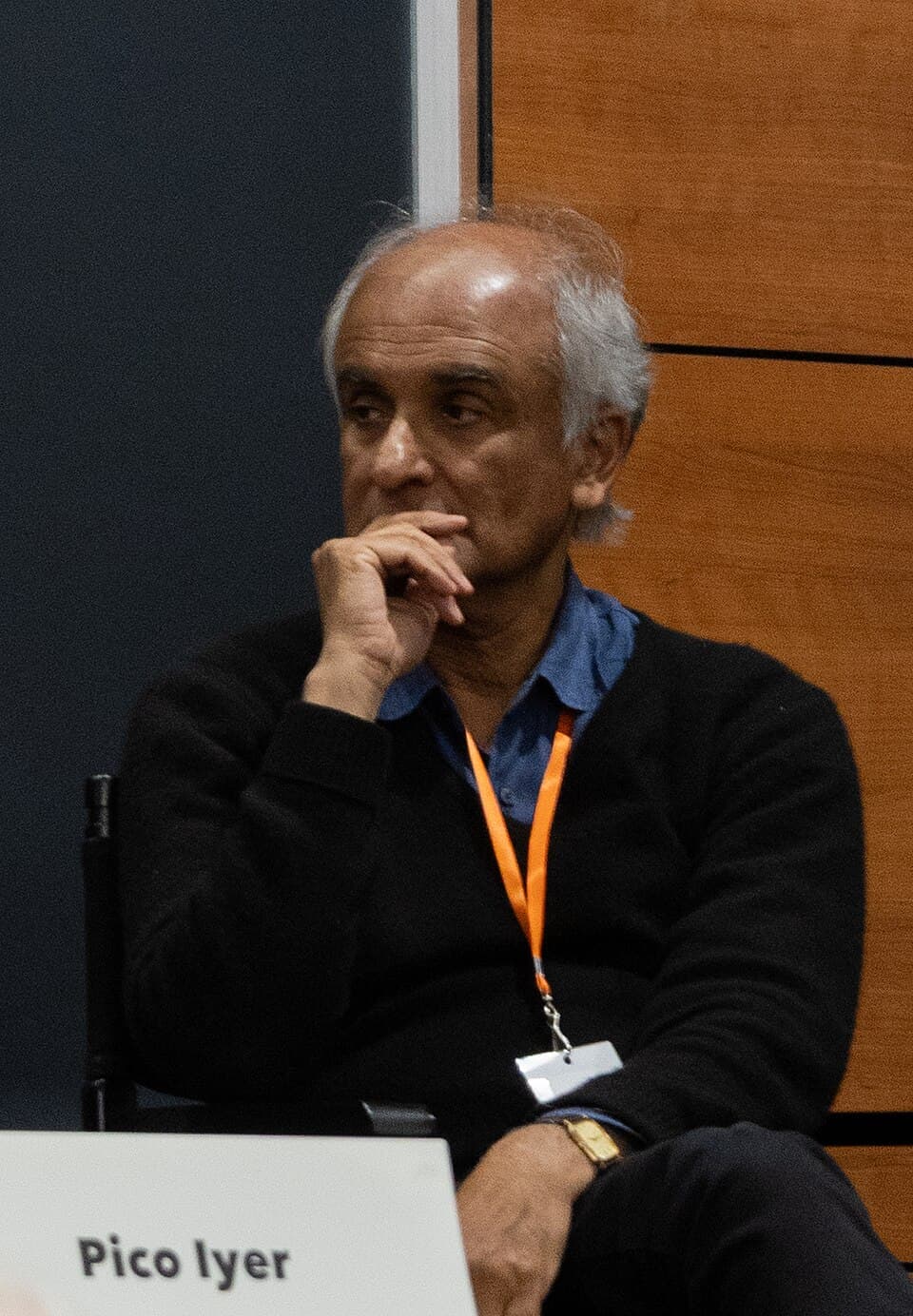
Pico Iyer
ContemporaryBritish-Indian · b. 1957
Pico Iyer writes about travel as a condition of modern life — born in Oxford, raised in California, educated at Eton and Harvard, living in Japan — his books examine what it means to belong nowhere and everywhere simultaneously.
Rahul Bhattacharya
ContemporaryIndian · b. 1979
Rahul Bhattacharya brought literary travel writing into the Indian Subcontinent and the Caribbean in a distinctly Indian voice — The Sly Company of People Who Care is one of the finest debut travel books of the 21st century.
Redmond O'Hanlon
ContemporaryBritish · b. 1947
Into the Heart of Borneo took the tradition of the Victorian naturalist-explorer and subjected it to comic deflation — O'Hanlon travelled to some of the most remote places on earth while remaining constitutionally ill-suited to any of them.
Reza Aslan
ContemporaryIranian-American · b. 1972
Reza Aslan is a scholar of religion who has written about the sacred sites of the world with the dual authority of an insider and an academic — his travel writing is inseparable from the theology of the places he visits.
Robyn Davidson
ContemporaryAustralian · b. 1950
Robyn Davidson walked 2,700 kilometres across the Australian desert with four camels and a dog — and then spent years working out whether the journey had meant what she thought it meant, which became the subject of her writing.
Rolf Potts
ContemporaryAmerican · b. 1970
Rolf Potts wrote the bible of long-term budget travel — Vagabonding argued that extended independent travel was available to ordinary people who simply chose it, at a time when most travel writing was addressed to the wealthy or the adventurous.
Ryszard Kapuściński
ContemporaryPolish · 1932–2007
Ryszard Kapuściński covered 27 revolutions and coups as a foreign correspondent and transformed the raw material of political journalism into literary prose — The Shadow of the Sun and The Emperor are read as literature, not reportage.
Samantha Brown
ContemporaryAmerican · b. 1970
Samantha Brown has introduced millions of American television viewers to international travel as a normal, accessible experience — her Travel Channel and PBS series ran for over a decade and made her the most recognisable face of American travel television.
Sara Wheeler
ContemporaryBritish · b. 1961
Sara Wheeler spent seven months at an American research station in Antarctica, becoming one of the few writers to turn the world's most extreme landscape into literary prose — Terra Incognita is the best book written about the ice.
Simon Winchester
ContemporaryBritish · b. 1944
Simon Winchester writes the history of science and geography as travel — The Map That Changed the World and Krakatoa are books about ideas that move through landscapes, making intellectual history feel as physical as a road trip.
Suketu Mehta
ContemporaryIndian-American · b. 1963
Suketu Mehta spent three years living in Bombay researching Maximum City — an account of the world's most populous megacity that reads simultaneously as memoir, journalism, and sociological inquiry.
Tahir Shah
ContemporaryBritish-Afghan · b. 1966
Tahir Shah has spent his career pursuing the esoteric, the ancient, and the misunderstood — travelling to the world's most inaccessible places in search of the stories that mainstream travel ignores.
Tim Cahill
ContemporaryAmerican · b. 1943
Tim Cahill was one of the founding editors of Outside magazine and spent his career pursuing the extreme and the absurd — his collections of adventure journalism, beginning with Jaguars Ripped My Flesh, defined American adventure travel writing for a generation.
Tim Severin
ContemporaryIrish · 1940–2022
Tim Severin rebuilt ancient and medieval boats and sailed them across the Atlantic, the Indian Ocean, and the Pacific to prove that legendary voyages were historically possible — The Brendan Voyage is both a genuine maritime adventure and an argument about history.
Tony Hawks
ContemporaryBritish · b. 1960
Tony Hawks hitchhiked around Ireland with a fridge on a drunken bet and wrote about it — Round Ireland with a Fridge is one of the funniest travel books of the 1990s and a genuine account of Irish hospitality and the strange logic of following an absurd idea to its conclusion.
Tony Horwitz
ContemporaryAmerican · 1958–2019
Tony Horwitz used travel as a vehicle for American history — following the routes of Columbus, fighting the battles of the Civil War, and navigating the South that still re-enacts both — with a journalist's precision and a storyteller's pace.
William Dalrymple
ContemporaryScottish · b. 1965
William Dalrymple writes about the Islamic and Indian worlds with a scholar's depth and a storyteller's pace — his books trace the long shadow of empire across present-day landscapes with a seriousness that most travel writers can't match.
Bruce Chatwin
ModernBritish · 1940–1989
Bruce Chatwin reinvented the travel book as a philosophical inquiry — In Patagonia mixed memoir, local history, literary allusion, and ethnography in a form that didn't quite exist before he invented it.
Colin Thubron
ModernBritish · b. 1939
The most rigorous of British travel writers, Colin Thubron taught himself Russian, Mandarin, and other languages before travelling alone through the Soviet Union, China, and Central Asia — producing books of quiet intensity about countries in the grip of ideology and change.
Eric Newby
ModernBritish · 1919–2006
The gentle comedian of British travel writing, Eric Newby transformed his own incompetence into a literary form — A Short Walk in the Hindu Kush is one of the funniest and most honest accounts of amateur adventure ever written.
Gavin Young
ModernBritish · 1928–2001
Gavin Young made his name as a foreign correspondent for The Observer and then transferred his knowledge of the remote world into a series of sea voyages — Slow Boats to China follows traditional sea routes across the Indian Ocean and Southeast Asia.
Jan Morris
ModernBritish · 1926–2020
Jan Morris wrote about cities — Venice, Oxford, New York, Hong Kong — with an attention to their living character that no other travel writer matched. Her prose was a sustained act of imaginative sympathy with places as entities that have personality and history.
Laurens van der Post
ModernSouth African · 1906–1996
Laurens van der Post wrote about the Kalahari and the Bushmen of southern Africa with a mystical intensity that brought an unknown world to Western consciousness — though his reputation has since been complicated by revelations about his personal life.
Norman Lewis
ModernBritish · 1908–2003
Norman Lewis wrote about the vanishing worlds of Southeast Asia, the Caribbean, and Latin America with a moral clarity and a prose style that his admirers consider among the finest in English travel writing.
Patrick Leigh Fermor
ModernBritish · 1915–2011
At 18, Patrick Leigh Fermor walked from the Hook of Holland to Constantinople — a journey he took forty years to write about, producing in A Time of Gifts and Between the Woods and the Water two of the most celebrated travel books in the English language.
Paul Theroux
ModernAmerican · b. 1941
The author of The Great Railway Bazaar almost single-handedly revived travel writing as a serious literary form in the 1970s — his work is celebrated for its unsparing honesty, its refusal of the picturesque, and its capacity to make the reader feel the specific discomfort of a long train journey.
Wilfred Thesiger
ModernBritish · 1910–2003
Wilfred Thesiger crossed the Empty Quarter of Arabia twice on foot, lived with the Marsh Arabs of Iraq for years, and spent decades in East Africa and the Hindu Kush — driven by a need for hardship and a love of pre-modern societies that were disappearing even as he documented them.
Freya Stark
EdwardianBritish · 1893–1993
One of the first Western women to travel alone through the Arabian Peninsula and the Middle East, Freya Stark mapped uncharted territory in what is now Iraq and Iran while producing some of the most lyrical travel prose of the 20th century.
Alexandre Dumas
VictorianFrench · 1802–1870
The author of The Three Musketeers and The Count of Monte Cristo was also a prolific travel writer, documenting journeys through Spain, Italy, Russia, the Caucasus, and North Africa with the same theatrical exuberance that powered his fiction.
Henry Morton Stanley
VictorianWelsh-American · 1841–1904
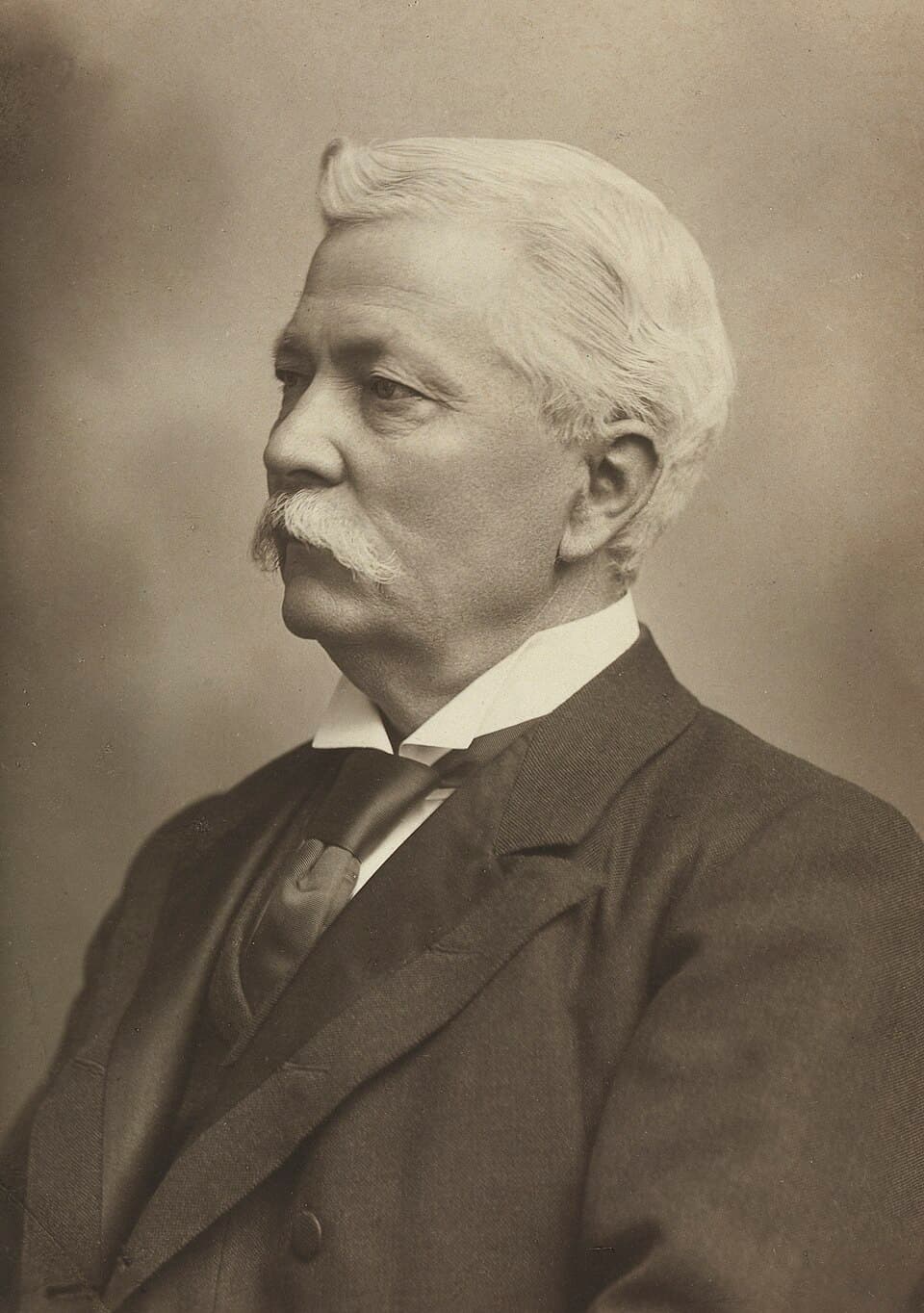
The journalist who found Livingstone and then crossed Africa from coast to coast, Stanley was the most celebrated explorer of the late Victorian age — his books were read as adventure stories even as they documented some of the darkest episodes of colonial history.
Isabella Bird
VictorianBritish · 1831–1904
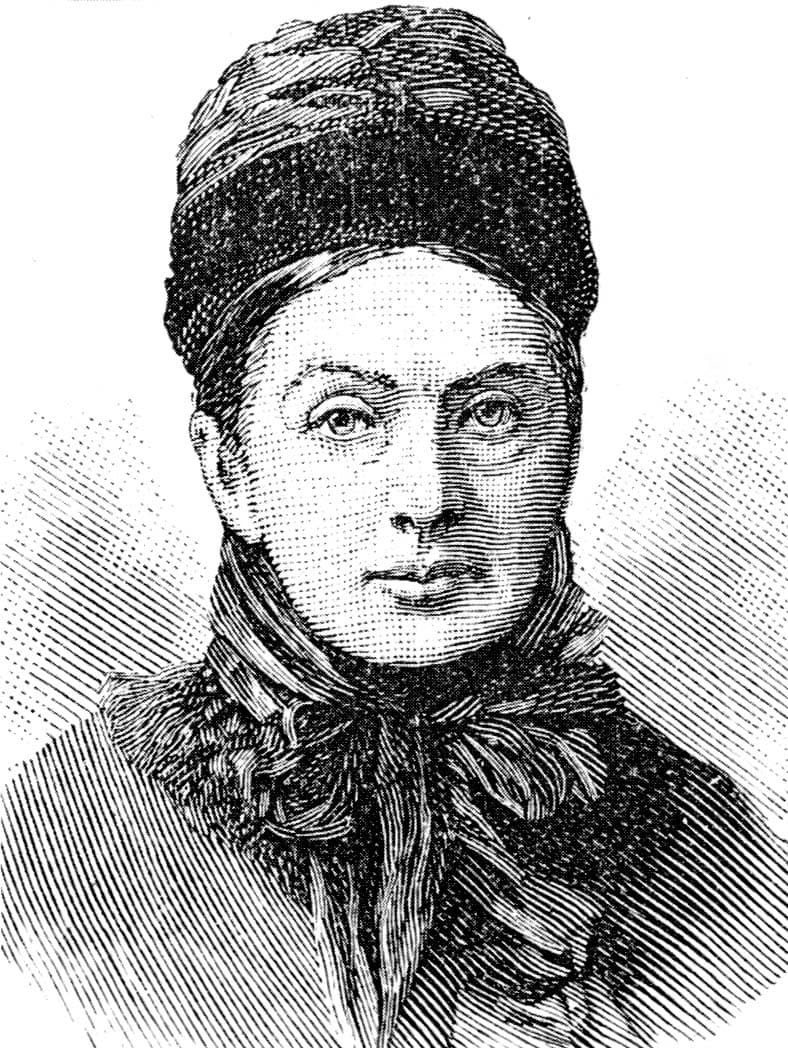
The first woman elected to the Royal Geographical Society, Isabella Bird travelled alone to Hawaii, the Rocky Mountains, Japan, Korea, China, and Persia at a time when women rarely left the drawing room unescorted.
John Muir
VictorianScottish-American · 1838–1914
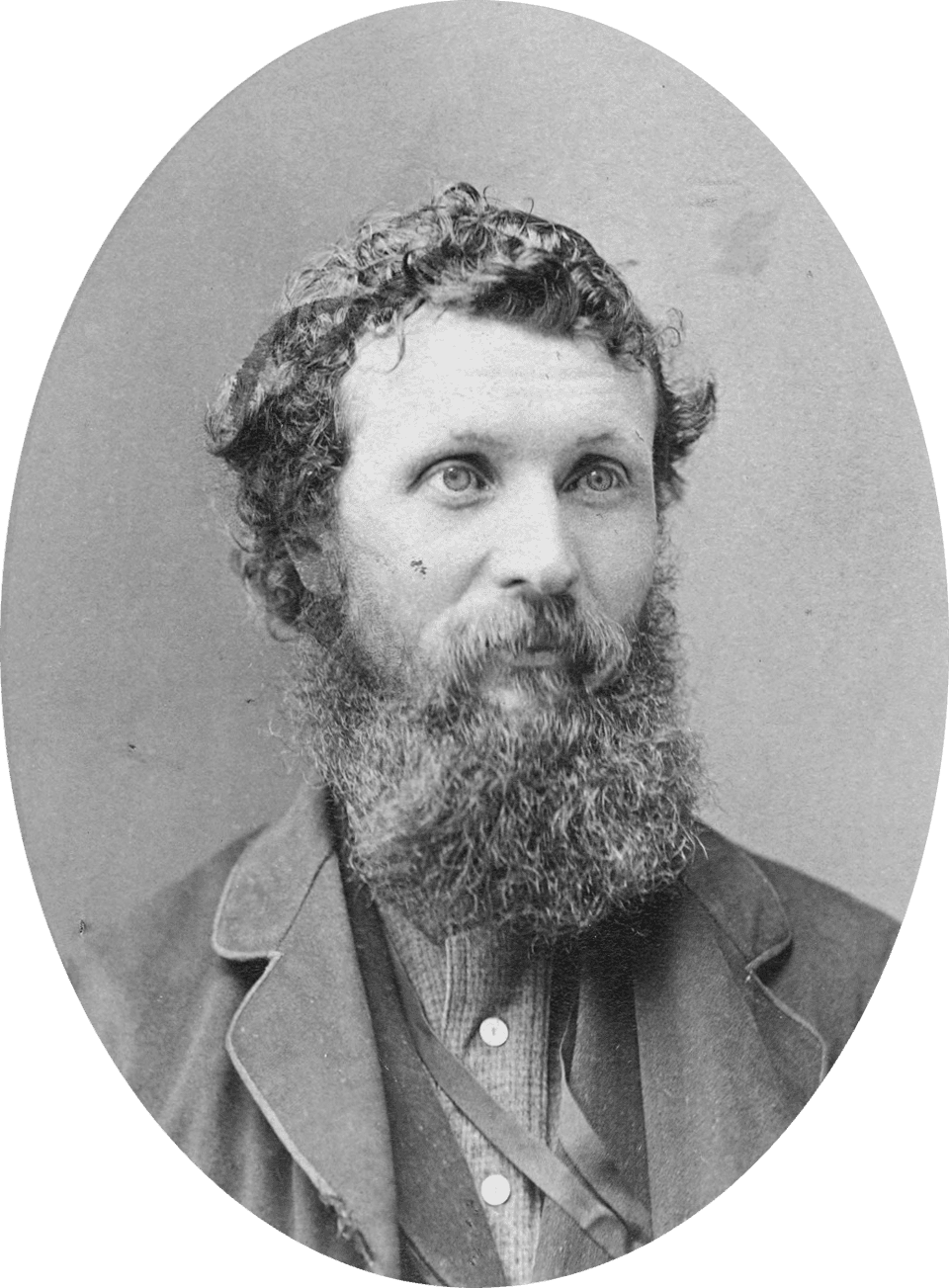
The father of American wilderness writing and the founder of the Sierra Club, Muir's accounts of the Yosemite Valley, Alaska, and the California mountains created the emotional vocabulary for conservation that still shapes environmental writing today.
Mark Twain
VictorianAmerican · 1835–1910
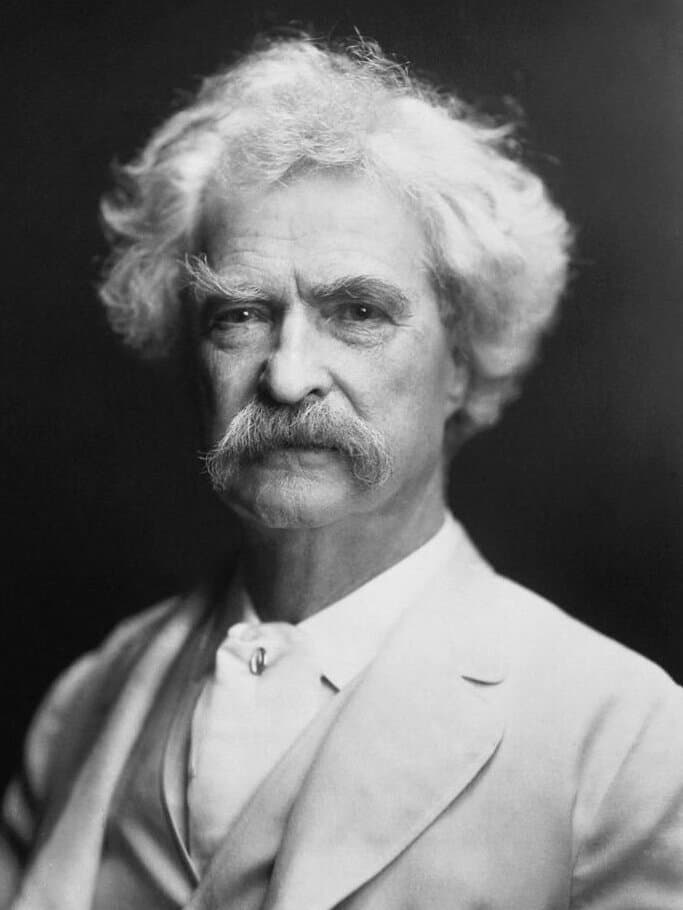
America's greatest humorist turned the grand European tour on its head in The Innocents Abroad, puncturing Old World pomposity with Missouri common sense and creating a distinctly American tradition of travel writing.
Mary Kingsley
VictorianBritish · 1862–1900
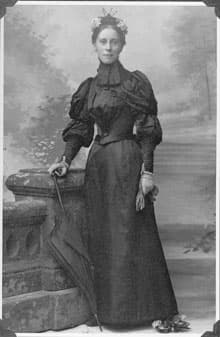
Mary Kingsley travelled alone through West Africa in the 1890s, climbing Mount Cameroon and trading with Fang people who had never seen a European woman — and wrote about it with a dry wit that made her one of the bestselling travel writers of her age.
Richard Burton
VictorianBritish · 1821–1890
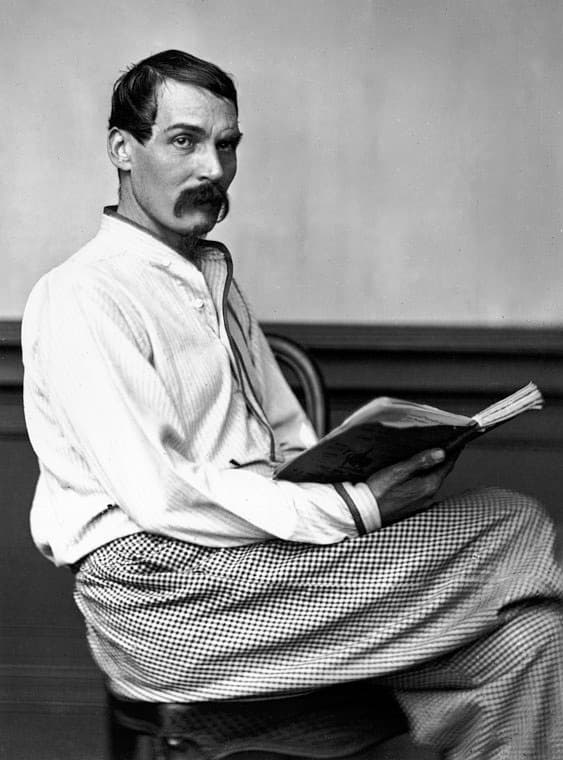
Explorer, linguist, and controversialist, Richard Burton spoke 29 languages, disguised himself as a Muslim pilgrim to enter Mecca, co-discovered the source of the Nile, and wrote prolifically about journeys that broke every rule of Victorian respectability.
Robert Louis Stevenson
VictorianScottish · 1850–1894
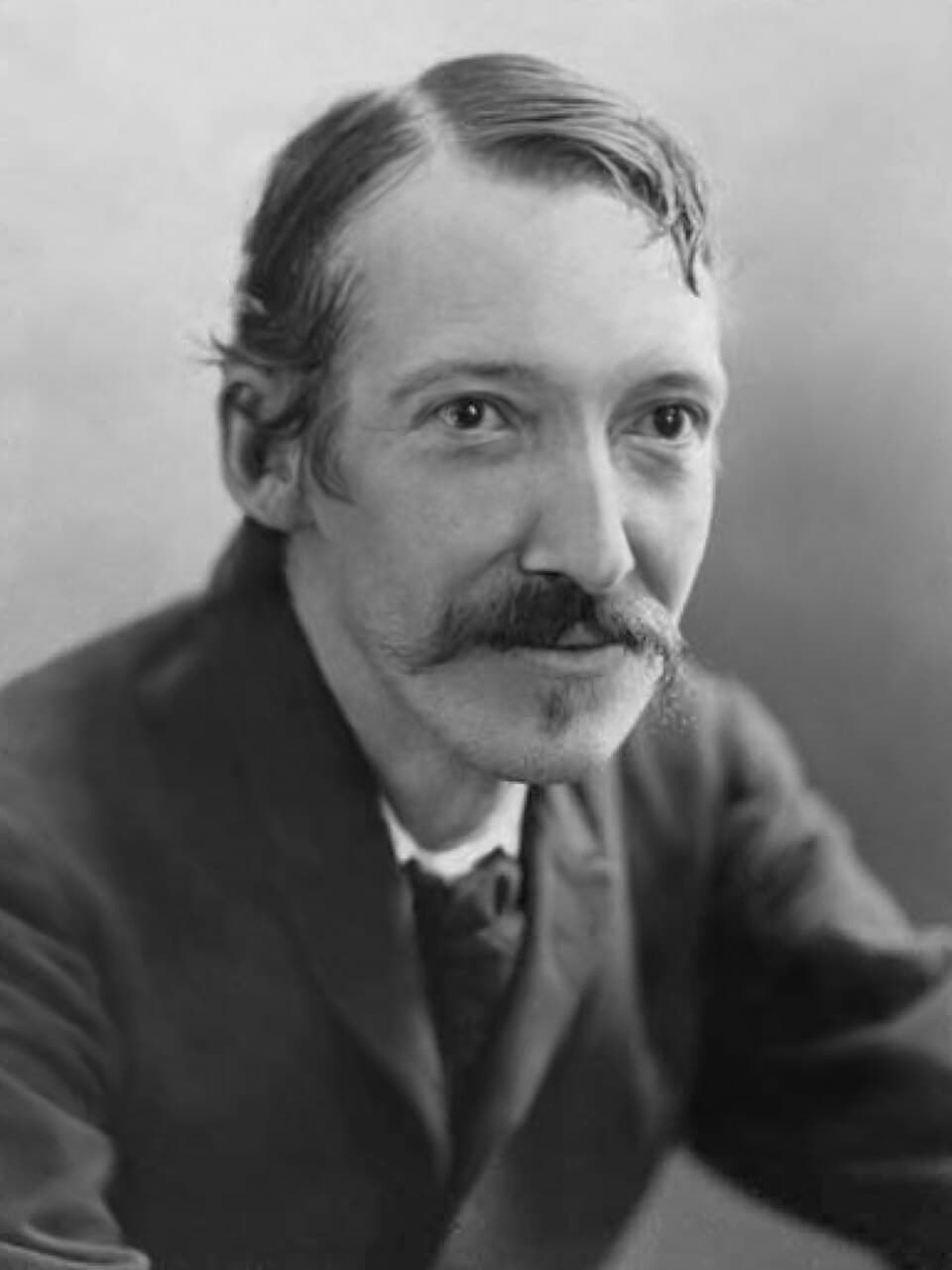
Best known for Treasure Island and Strange Case of Dr Jekyll and Mr Hyde, Stevenson was also a committed travel writer who hiked through the Cévennes with a donkey, sailed the Pacific on a yacht, and settled in Samoa, where he is buried.
Rudyard Kipling
VictorianBritish-Indian · 1865–1936
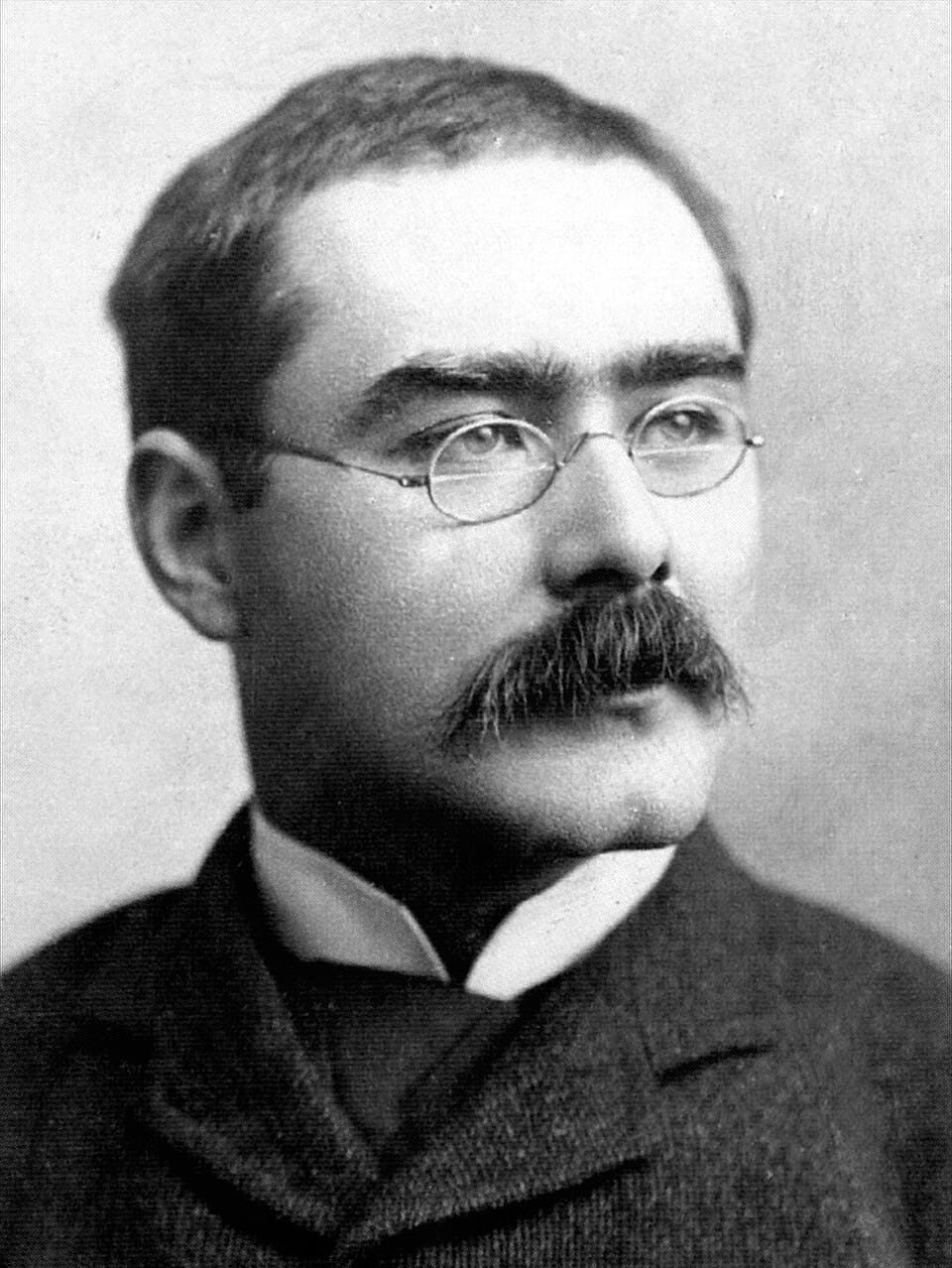
Born in Bombay and formed by India, Kipling wrote about travel and empire with an authority no other British writer of his generation could match — though his politics make him a complicated figure for modern readers.
Are you a working travel writer?
Join the open directory of contemporary travel writers — searchable by destination, specialty, and verified first-hand experience.
Browse Contemporary Writers